
By Ja’Keia Person, Founder of Vibrnt Seeds and member of NFSN’s Farm to School Coordinator Learning Collaborative
Growing up in the Bronx, I never gave much thought to how much food passed through our borough before reaching somebody's dinner table. Like most New Yorkers, I knew the supermarkets, the corner stores, and which neighborhoods had the best produce. The journey food took before reaching those places was another story.
Hunts Point is one of the most interesting examples of that disconnect.
The Hunts Point Terminal Produce Market opened in 1967, and the surrounding food distribution center has grown into one of the largest in the country. A 2016 city study estimated that approximately 4.5 billion pounds of food moved through the distribution center annually. Trucks carry produce, meat, and seafood destined for supermarkets, restaurants, and businesses throughout the region.
There's something remarkable about growing up in a borough that helps feed millions of people while having relatively little exposure to the agricultural systems operating around us. The infrastructure is enormous, but the connection between that infrastructure and everyday food knowledge isn't always apparent.
New York has spent decades trying to close parts of that distance. In 1976, the city's first Greenmarket opened, creating opportunities for residents to purchase food directly from regional farmers. School gardens, rooftop farms, community growing spaces, and hydroponic systems have since become more visible throughout the city.
Yet access to these spaces and opportunities to understand the broader food system are not always the same thing.
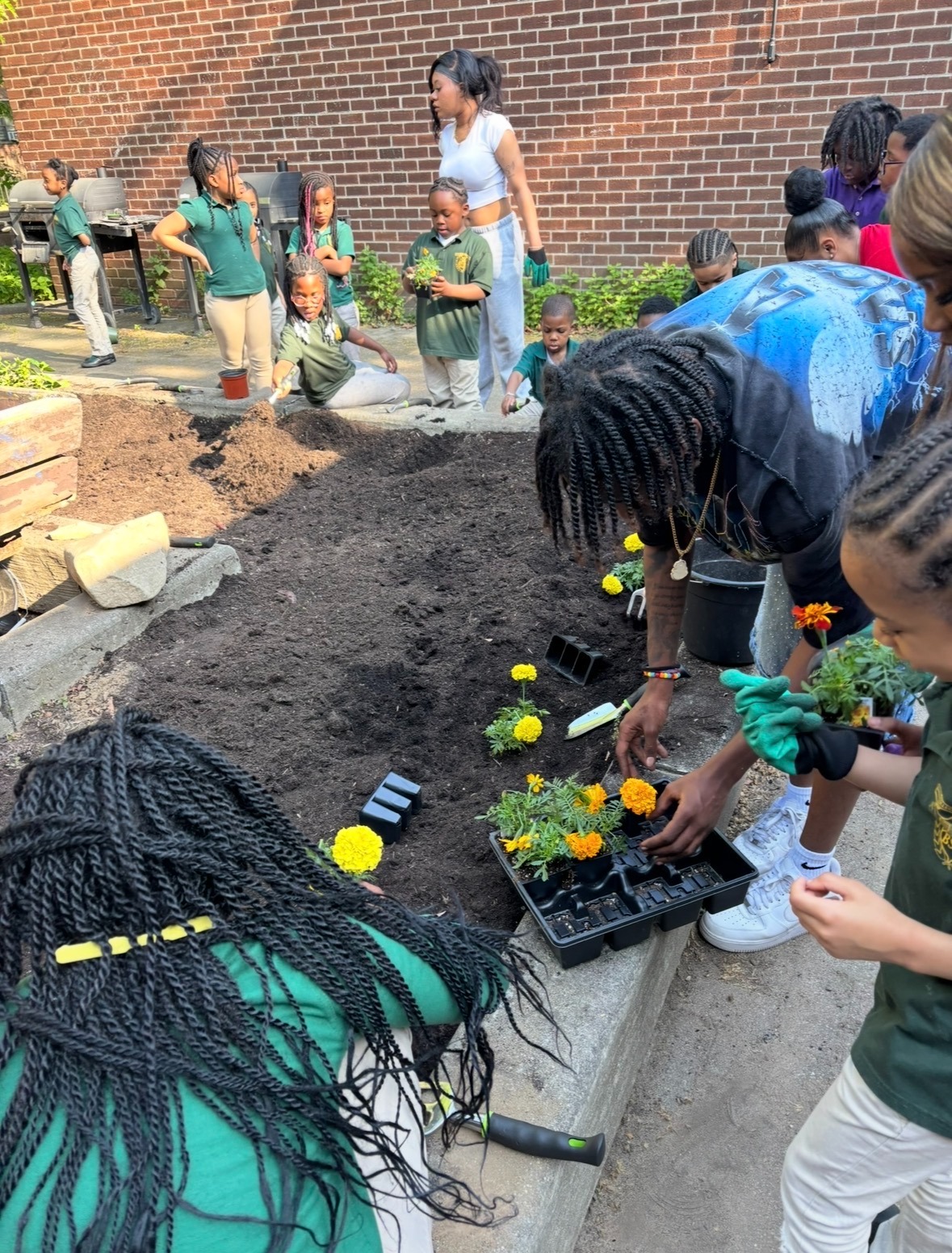
When I founded Vibrnt Seeds, gardening was where I started. I wanted young people to experience growing something themselves, particularly in a city where outdoor space can be limited. Over time, the work began moving in directions I hadn't initially anticipated.
I noticed that people were just as interested in what happened to food after it was harvested. They were curious about unfamiliar ingredients, why certain foods cost more than others, and how growing techniques differed across places and cultures. Even a simple planting activity could turn into a conversation about someone's family, childhood, or relationship with food.
Those experiences changed how I thought about food education. Growing something was valuable, but understanding food required more than a garden.
At Wadleigh Secondary School, we transformed a cafeteria into a simulated farmers market. Students received shopping budgets, selected produce, and explored how those ingredients could become everyday meals.
The activity brought together skills that are rarely discussed as part of agricultural education. Students had to consider prices, make choices, and think about how ingredients could be used. Broccoli, for example, became more interesting when students discovered how easily it could be incorporated into fried rice, pasta, tacos, or soup.
The experience wasn't about convincing students to like a particular vegetable. It gave them an opportunity to work through the practical decisions that come with buying and preparing food.
I've seen a different kind of curiosity emerge when children encounter hydroponics for the first time.
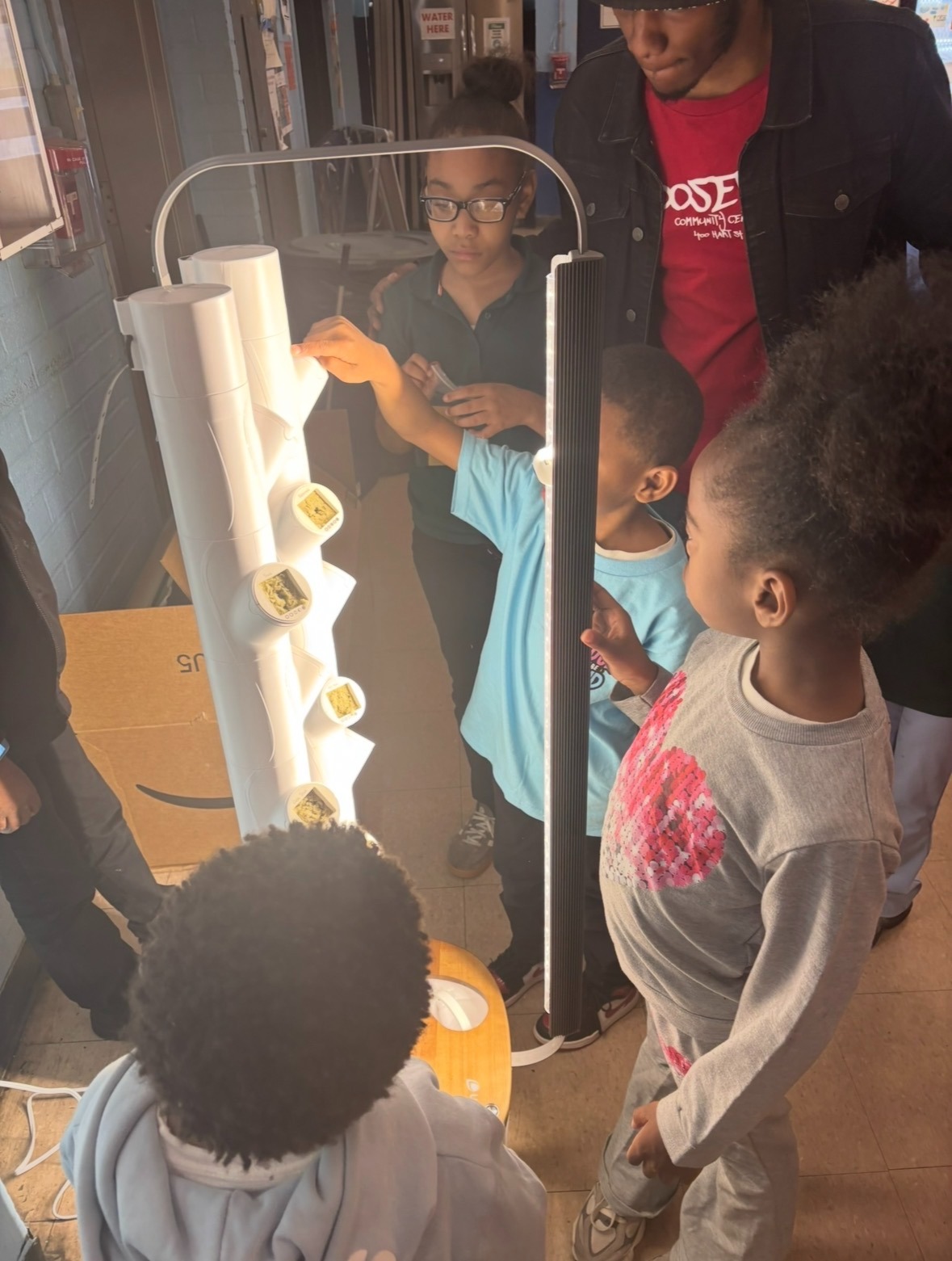
During our workshops, students examine vertical growing towers, study the openings where plants grow, and learn how water and nutrients circulate through the system. Some are surprised that plants can grow without soil. Others immediately begin imagining what they could grow themselves.
These experiences also create an opportunity to introduce agriculture as a field shaped by human ingenuity.
Long before modern hydroponic equipment existed, Indigenous communities in central Mexico developed chinampas, an agricultural system that supported intensive cultivation in shallow lake environments. Although chinampas and hydroponics are fundamentally different growing methods, both demonstrate how people have adapted food production to their surroundings.
Agricultural innovation isn't something that began with modern technology. It has a long history, and urban students deserve to encounter that history alongside the equipment used today.
New York City has made considerable investments in expanding agricultural learning. During the 2023–24 school year, nearly 1,200 public schools reported having gardens, including outdoor plots, container gardens, and indoor growing systems.
It's encouraging to see how much agricultural infrastructure now exists in educational settings. Still, I've come to appreciate that the presence of a garden and the experience of learning from one are two different things. A growing system can introduce students to biology, engineering, food production, and even entrepreneurship, but much of that depends on how the space is used and who has the opportunity to participate.
Some of the most memorable moments in my work have taken place outside traditional classrooms.
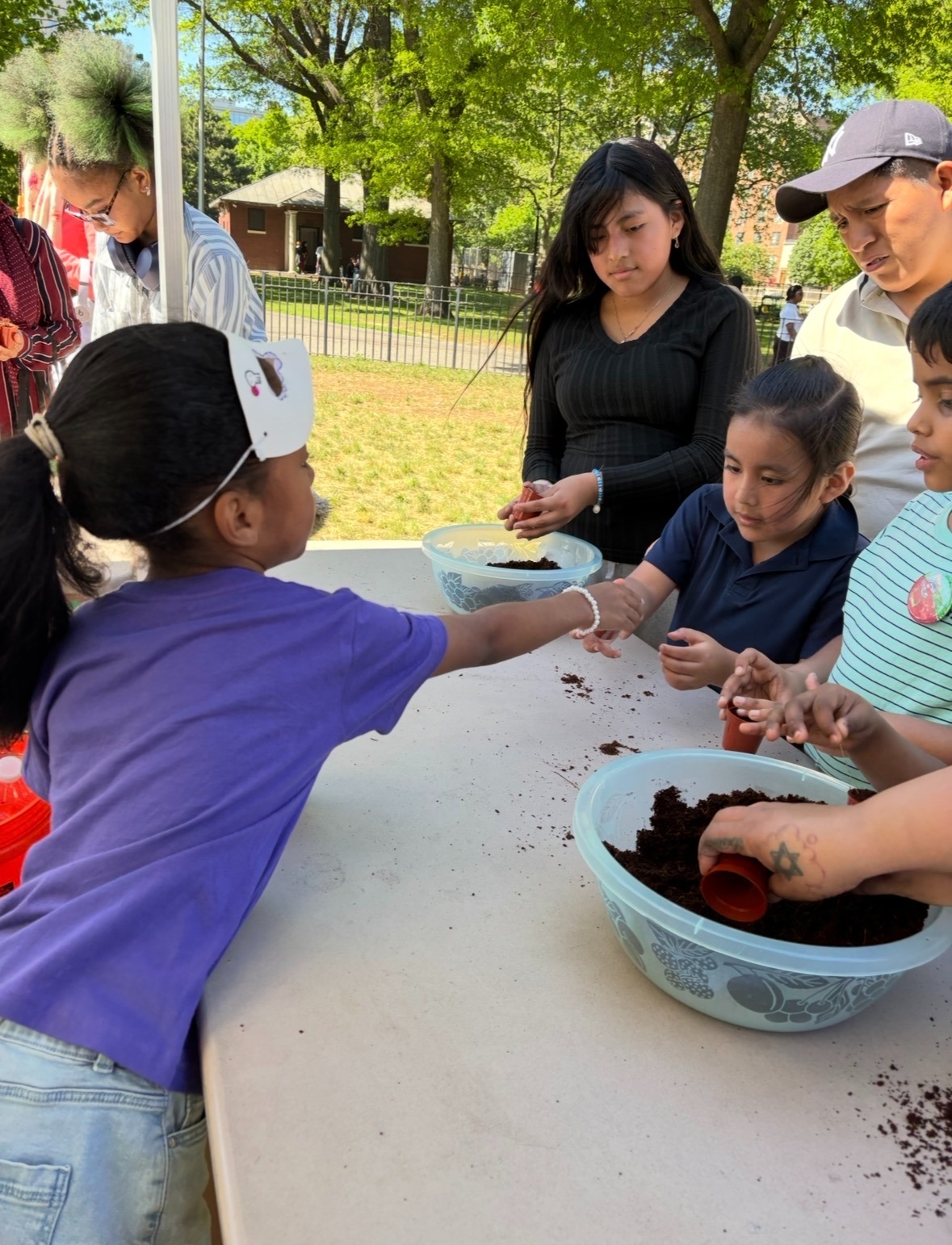
At community planting events, I've watched young children carefully fill pots with soil while their parents offered advice from the sidelines. Before long, the adults were asking their own questions, sharing memories of plants they grew up around, or discussing vegetables they wanted to try growing at home.
Working with older adults has added another dimension to these experiences.
During our My NY Story programming, participants explored foods and recipes connected to New York's diverse communities. We introduced ingredients such as Long Island kelp and raw honeycomb, opening conversations about coastal agriculture, beekeeping, and the different ways food is produced.
I've also enjoyed introducing people to scuppernongs, a variety of muscadine grape connected to my family's roots in Virginia. It's a fruit that carries its own history in the American South, yet many New Yorkers have never encountered one.
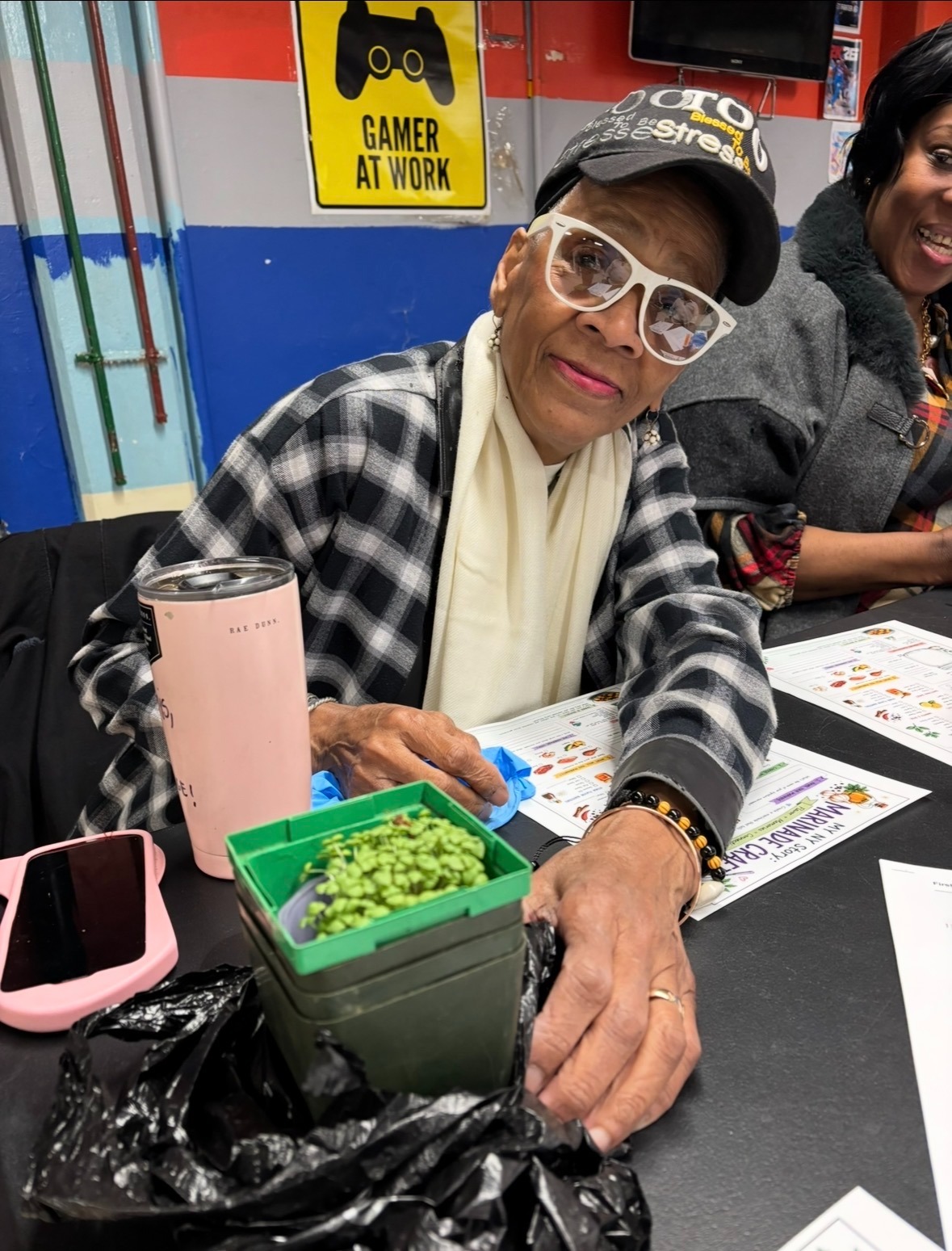
I find these exchanges especially meaningful because they remind me how much agricultural knowledge already exists within families and communities. Older generations may remember backyard gardens, preserving food, or preparing ingredients that younger people rarely see. Others bring experiences from different regions and countries, where growing and purchasing food looked very different.
That knowledge deserves a place in food education too.
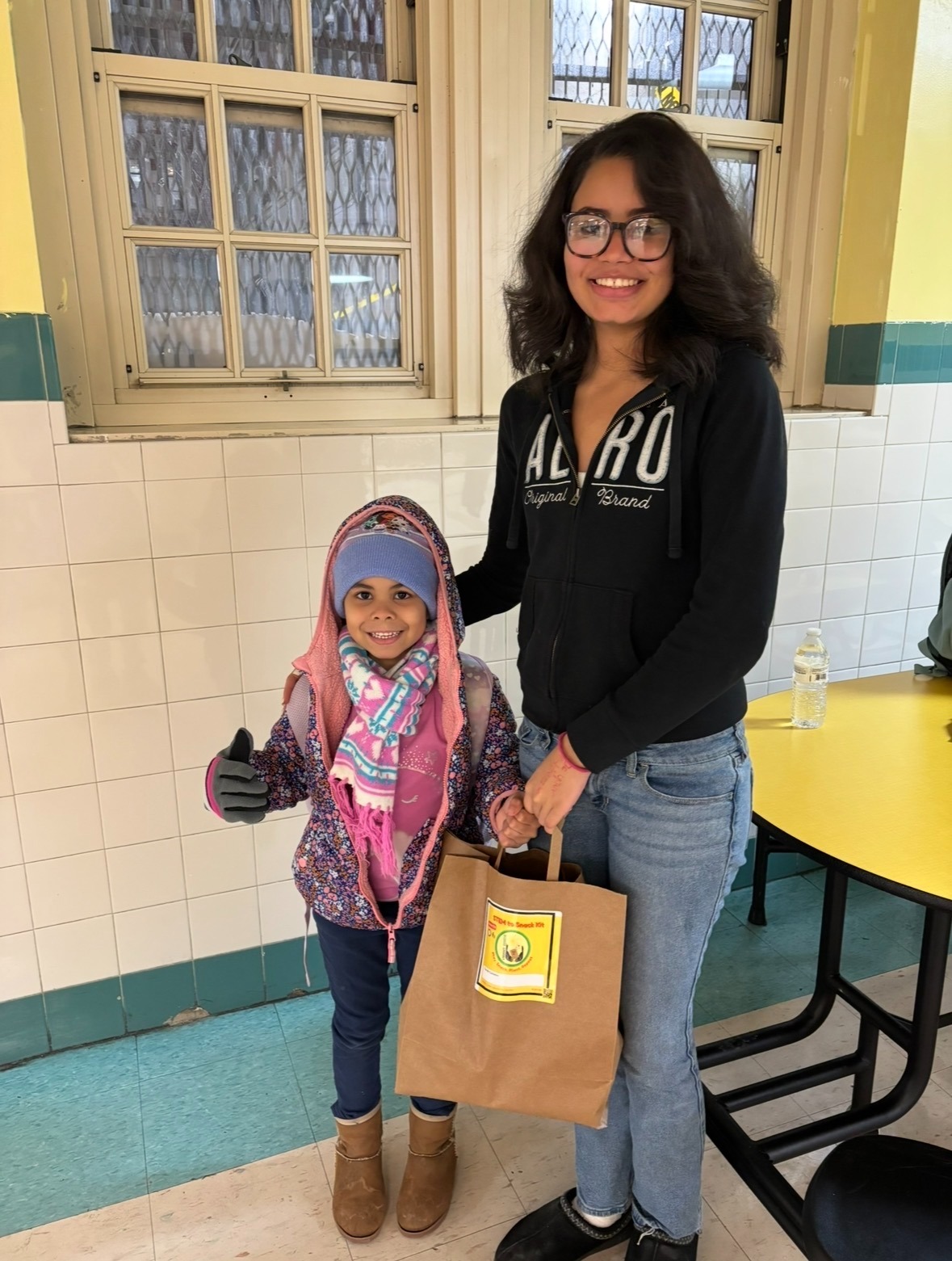
As Vibrnt Seeds has developed, I've also seen the value of involving young adults in delivering these experiences. Our facilitators gain practical experience maintaining gardens, assembling hydroponic systems, preparing workshops, and working with participants across different age groups. They're developing skills that extend beyond agriculture while gaining exposure to an industry they may not have previously considered.
Nationally, the farm to school movement has helped expand opportunities for this work. According to the USDA's 2023 Farm to School Census, 74 percent of responding school food authorities reported participating in at least one farm to school activity during the 2022–23 school year.
That progress is worth recognizing. It also creates room to think more broadly about the experiences that connect young people to agriculture, particularly in urban communities.
A school garden is one entry point. So is a farmers market simulation, a conversation with a beekeeper, an unfamiliar ingredient, or a hydroponic tower assembled by students themselves. Each introduces a different part of the food system and gives participants an opportunity to develop knowledge they can carry into everyday life.
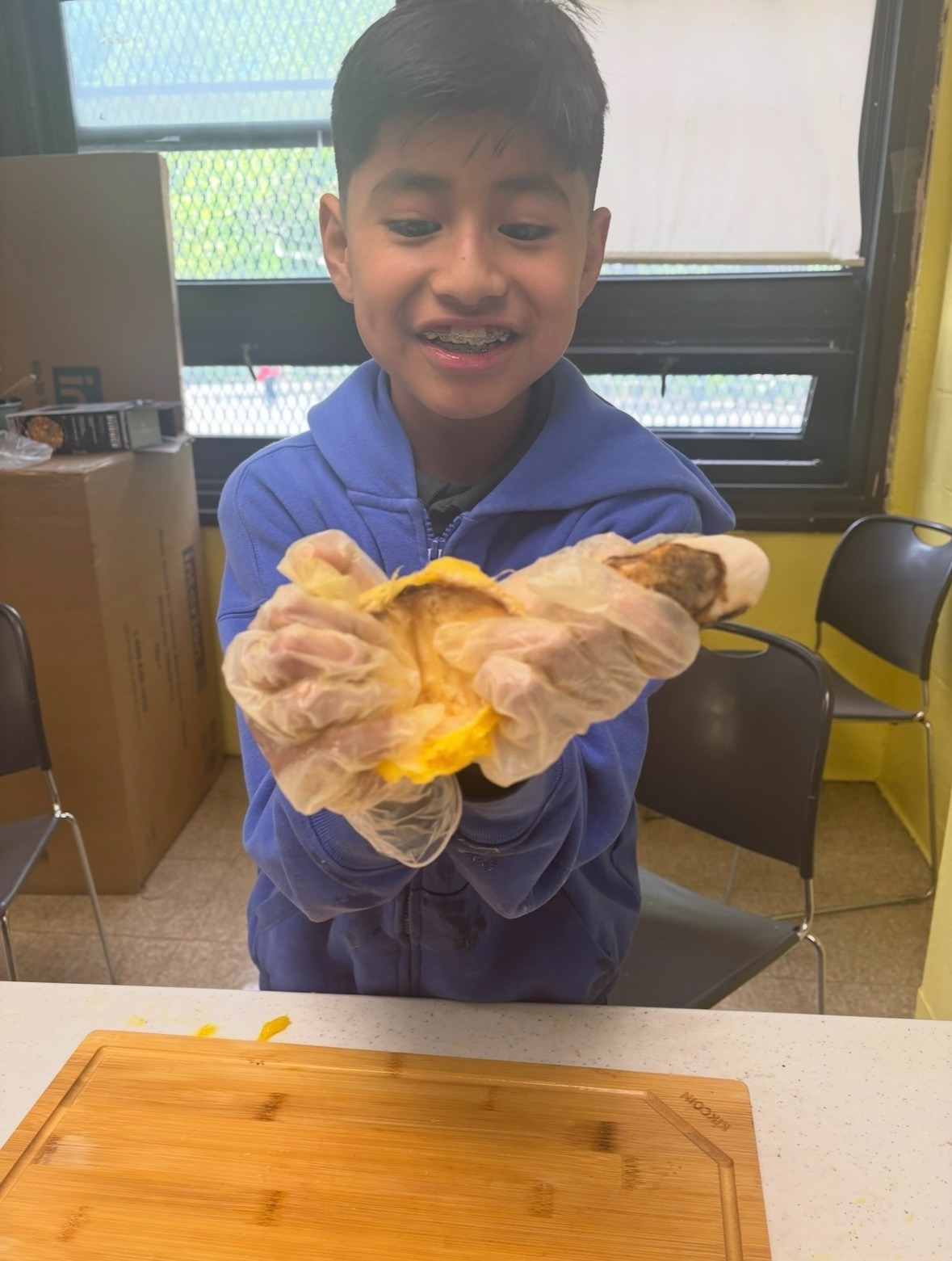
Not every child who participates in one of our programs will pursue agriculture. Some may become more confident grocery shoppers. Others may discover an interest in growing, cooking, technology, or community work. The value of these experiences isn't limited to any one outcome.
When I look through photographs from our programs, I see children with soil on their hands, students studying unfamiliar equipment, older adults tending seedlings, and families carrying home planting kits. What stands out is how engaged people become when they're given the opportunity to participate rather than simply listen.
I often return to the contrast between the Bronx's role in feeding New York and how little of that system is visible in everyday life. Our borough has been central to the movement of food for generations. That history is part of our identity, even when it isn't widely recognized.
Through Vibrnt Seeds, I've become increasingly interested in making those connections more tangible. Food education can help people understand not only how something grows, but also how it reaches their neighborhood, how it becomes part of their meals, and how they might participate in the systems surrounding it.
We already live close to one of the most significant food distribution networks in the country. Giving young people the opportunity to understand that network, and their place within it, feels like a natural next chapter.
The Farm to School Learning Collaborative project is made possible with support from the Builders Vision Philanthropy.